For years, the American political debate has focused on policy disputes and partisan warfare, but a deeper, more existential divide may be what is actually driving the country apart. In his latest reflections on the crisis of the common good, Senator Chris Murphy suggests that the United States has fallen victim to a hyper individualistic, market obsessed culture that leaves citizens isolated and powerless. He argues that the rise of populist figures like Donald Trump is not an anomaly but rather a symptom of a broader spiritual unspooling occurring across the national landscape.
At the heart of this tension is a fundamental disagreement over the role of government in shaping societal values. While critics argue that any state effort to define a common good risks sliding into oppression or authoritarianism, Murphy contends that we have already accepted a rigid moral code without realizing it. This unspoken mandate is the pursuit of profit at any cost. By outsourcing virtue to the private sector, he suggests we have created an economy where success is measured solely by financial gain, regardless of whether a company destroys communities or exploits its workforce.
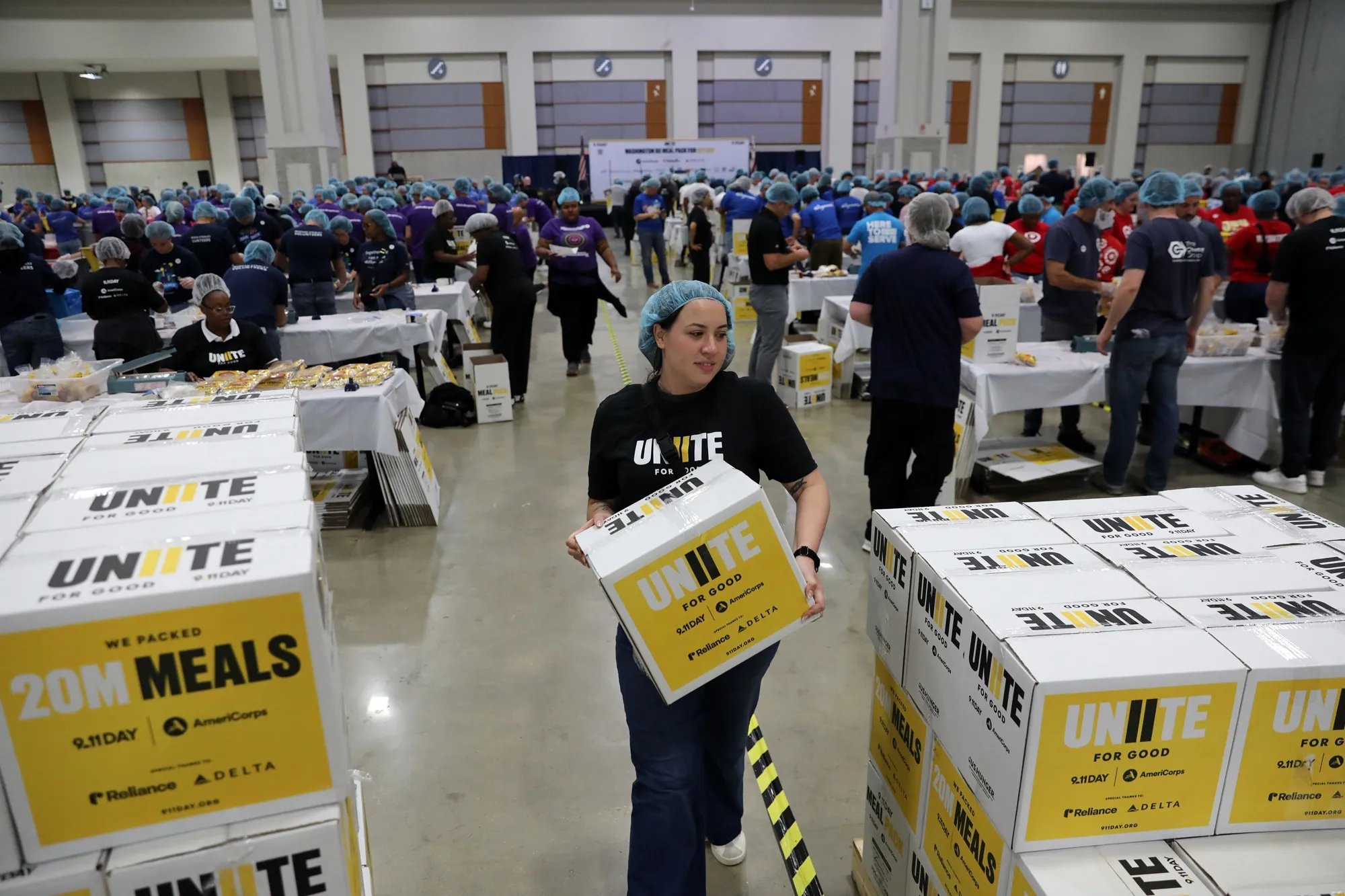
This shift has had profound effects on human connection and mental health. As digital consumption replaces physical community and corporate efficiency overrides worker dignity, many Americans find themselves drifting in a sea of loneliness. To combat this erosion of social fabric, Murphy proposes tangible shifts in how young people enter adulthood, including promoting public service as a viable alternative to the traditional prestige of a four year college degree. He believes that encouraging youth to flex their selflessness muscles through community work could bridge the widening gap between different social classes.
Ultimately, the goal is not for the government to dictate exactly how one should live a good life, but to ensure that the structures governing labor and education encourage communion rather than competition. By moving away from a culture centered on endless consumption and toward one rooted in shared purpose, proponents hope to rebuild a sense of solidarity. Without these bonds of mutual obligation and neighborliness, they warn that partisan identities will continue to fill the void, leaving the nation fragmented and fragile.