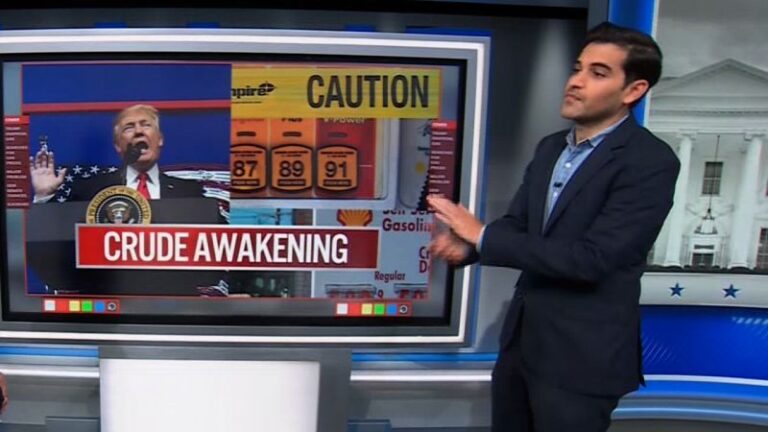
As the autumn midterms approach, political analysts are grappling with a fundamental question that could decide who controls the House of Representatives: are we still playing by the old rulebook, or has a new set of laws taken over? Traditionally, the party holding the presidency faces a steep uphill battle during the first midterm cycle, often hemorrhaging dozens of seats as voters use the election as a referendum on the current administration. By that logic, Republicans should be bracing for impact given sky-high grocery prices, volatile gas costs, and lingering conflicts abroad.
However, history has become an unreliable guide in an era where political norms are routinely discarded. We have seen presidents win without the popular vote and survive multiple impeachments only to return to power. This defiance of political gravity suggests a new playbook where traditional headwinds do not necessarily lead to defeat. While some Republicans are attempting to distance themselves from President Trump due to his fluctuating polling numbers, others bet on his unique ability to mobilize a base that ignores standard economic grievances.
The math becomes even more complicated when you factor in modern redistricting and a shrinking number of truly competitive seats. With fewer swing districts available, the massive waves of change seen in decades past are harder to trigger. Furthermore, while Democrats might seem poised for a gain, their own approval ratings have dipped significantly compared to previous cycles. This creates a strange kind of parity where neither side holds a definitive psychological advantage over the electorate.
Ultimately, voter turnout will be the deciding factor. President Trump has framed these elections as if he himself is on the ballot, a strategy that has historically spiked participation but could either energize his supporters or alienate moderate independents tired of constant turmoil. Between legal battles over congressional maps in states like Missouri and shifting sentiments in key battlegrounds like Iowa, there is little evidence of a clear national wave. Instead, control of the House may come down to a handful of grueling individual races that leave us guessing well past election night.